
Storage for Spare Parts and Restaurants: A 2026 Operations Playbook
Smart storage for spare parts is the quiet backbone of every workshop, fleet operator, and manufacturing line in Saudi Arabia. When a critical component sits mislabeled in a dusty corner, downtime costs pile up fast. The same logic applies to restaurants, where a single disorganized stockroom can spoil ingredients and drain margins. In 2026, operators across the Kingdom are rethinking how they store, track, and rotate inventory to keep service running without interruption.
This playbook walks through the storage strategies that reduce waste, speed up retrieval, and keep your supply chain resilient, whether you manage bolts and bearings or basil and beef.
Why Spare Parts Storage Deserves a Real System
Spare parts are deceptively demanding. They vary wildly in size, value, and fragility, and many corrode or degrade if stored badly. A single humid month can turn a rack of precision components into scrap.
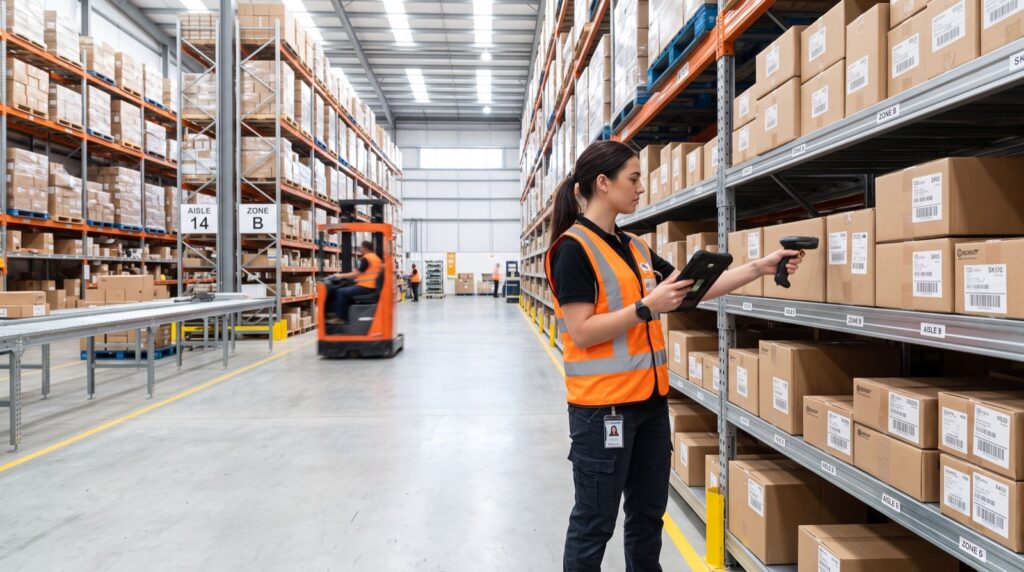
Professional Storage for Spare Parts solves this by combining organized racking, barcode tracking, and climate control so that every SKU has a home and every technician can find it in seconds.
The most common storage failures we see include:
- Mixing fast-moving and slow-moving parts on the same shelf
- Storing metal components in unsealed, humid areas that invite rust
- Skipping serial-number tracking, so warranty claims get lost
- Overstocking obsolete parts while critical items run out
The Hidden Cost of Poor Restaurant Storage
Restaurants live and die by inventory freshness. Poor storage does not just waste money on spoiled produce; it risks food-safety violations that can close a kitchen. Dedicated Storage for Restaurants keeps dry goods, chilled items, and frozen stock in separate, correctly controlled zones.
According to the World Health Organization, unsafe food handling and storage cause hundreds of millions of illnesses each year, a reminder detailed in their guidance on food safety fundamentals. Correct temperature and separation are not optional extras; they are the foundation of a compliant kitchen.
Spare Parts vs Restaurant Storage: What Changes?
Both operations need discipline, but the priorities differ. The table below shows where each type of storage focuses its energy.
| Priority | Spare Parts Storage | Restaurant Storage |
|---|---|---|
| Main risk | Corrosion and misplacement | Spoilage and contamination |
| Climate need | Low humidity, stable temperature | Multiple zones: dry, chilled, frozen |
| Tracking method | Barcode / serial number | FIFO with expiry dates |
| Turnover speed | Slow to moderate | Fast, daily rotation |
| Compliance driver | Warranty and audit trails | Food-safety regulations |
How to Build a Storage System That Actually Works
Whether you store machine parts or menu ingredients, the same core method applies. Follow these steps to bring order to any stockroom:
- Categorize by movement speed. Keep fast-moving items near the pick face and slow movers deeper in the racks.
- Label everything clearly. Use barcodes or QR codes so staff scan rather than guess.
- Apply FIFO. First in, first out prevents expired ingredients and obsolete parts from lingering.
- Match the climate to the goods. Segregate humid-sensitive metals and temperature-sensitive food into proper zones.
- Set reorder triggers. Minimum stock alerts stop you from running dry on critical items.
- Audit monthly. A quick physical count catches shrinkage and mislabeling early.
Businesses that lack the in-house space or expertise increasingly hand this off to trusted professionals who run purpose-built facilities with the racking and monitoring already in place.
An Original Tip: Kit Your Parts Before You Need Them
Here is a technique that separates well-run workshops from reactive ones. Instead of storing every component individually, pre-assemble “service kits” for your most common maintenance jobs. Group the gasket, filter, seal, and fasteners a technician needs for a routine service into one labeled bin.
When a machine goes down, staff grab one kit instead of hunting across five shelves. In restaurants, the same idea works for prep: pre-portioned ingredient bins for your signature dishes cut prep time and reduce over-portioning waste. It is a small storage habit that compounds into real hours saved every week.
Why 2026 Is the Year to Upgrade Your Storage
Saudi Arabia’s push toward industrial expansion and a booming hospitality sector means demand for organized, climate-controlled storage has never been higher. Fleet operators, manufacturers, and restaurant groups are scaling faster than their internal storage can keep up with.
Outsourcing to a professional facility offers clear wins this year:
- Instant access to proper racking, forklifts, and climate zones
- Real-time inventory visibility through modern tracking systems
- Flexible space that scales with seasonal demand
- Reduced spoilage, shrinkage, and downtime costs
The shift also reflects a broader change in how Gulf businesses think about working capital. Money tied up in obsolete parts or over-ordered ingredients is money that cannot fund growth. A leaner, better-tracked storage operation frees cash and shortens the time between purchase and use. Operators who once viewed storage as a fixed overhead now treat it as a lever they can actively tune, expanding during Ramadan or a fleet-maintenance cycle and contracting again when demand cools.
Frequently Asked Questions
How should I store metal spare parts to prevent rust?
Keep metal components in a low-humidity environment, ideally below 60% relative humidity, on sealed racking away from loading docks. Adding desiccant packs to enclosed bins and using anti-corrosion wraps further protects precision parts.
What is FIFO and why does it matter for restaurants?
FIFO means first in, first out, so older stock is used before newer deliveries. It is essential in restaurants because it prevents ingredients from expiring on the shelf and keeps you compliant with food-safety rules.
Can one facility handle both spare parts and food storage?
Yes, many professional warehouses offer segregated zones so dry goods, chilled items, frozen stock, and industrial parts each get the correct climate and separation, all under one roof with unified tracking.
Is outsourced storage cheaper than running my own stockroom?
For most growing businesses it is, because you avoid the capital cost of building climate-controlled space and pay only for what you use. You also gain trained staff, insurance, and modern inventory systems without extra hiring.
Conclusion
Reliable storage for spare parts and restaurants comes down to the same principles: organize by movement, control the climate, track every item, and rotate stock with discipline. Get those fundamentals right and you cut downtime, slash spoilage, and protect your margins throughout 2026. Whether you manage a workshop or a kitchen, consider partnering with a specialist facility to turn your stockroom from a liability into an operational strength. Reach out for a tailored storage plan and keep your business running without interruption.